
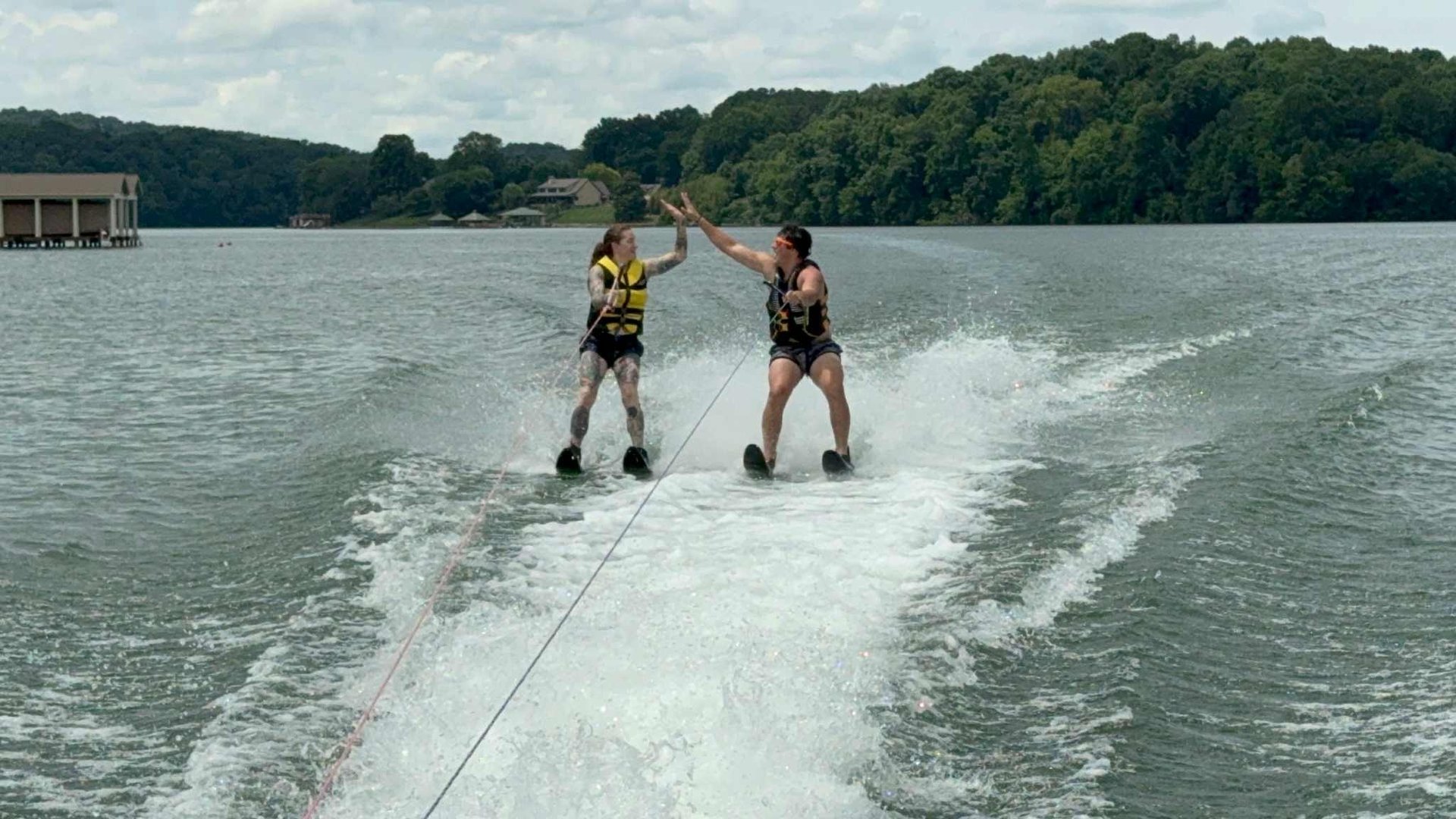
East10ec-Boating & area Lakes!
Sharing the best boating spots and tips around East Tennessee’s lakes and rivers.
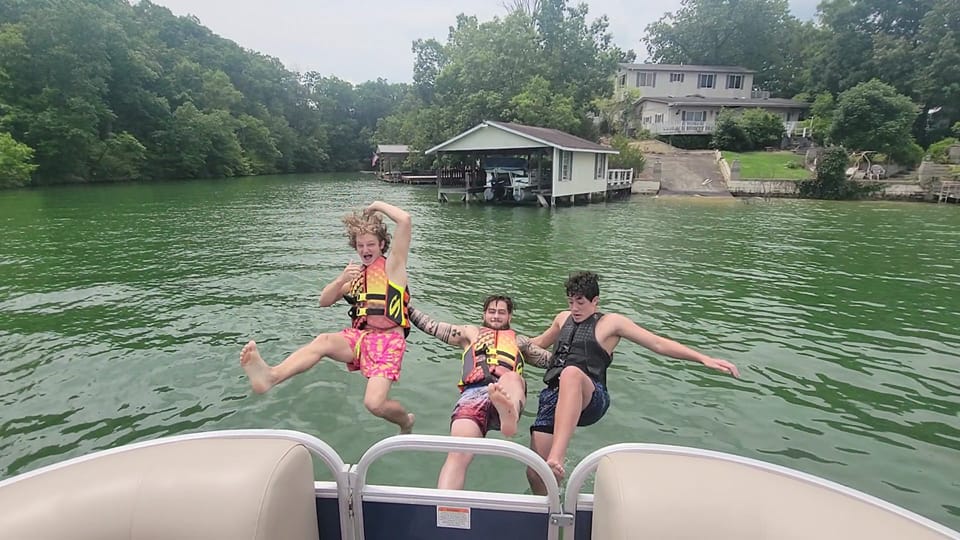
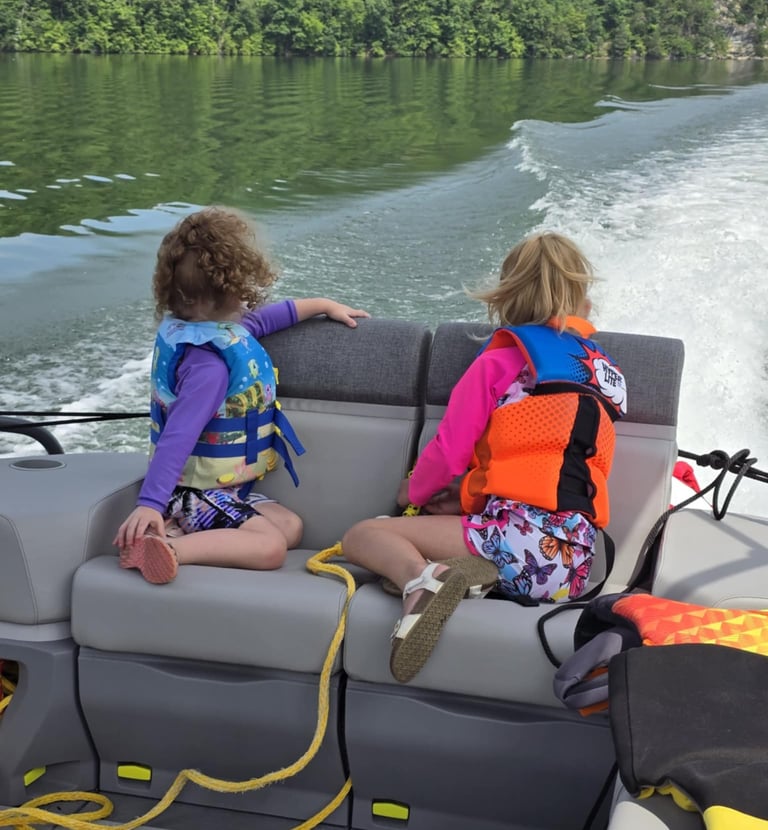
Boat Views
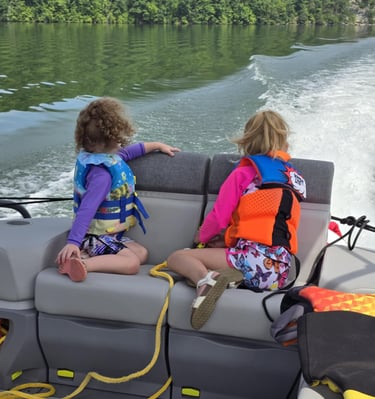
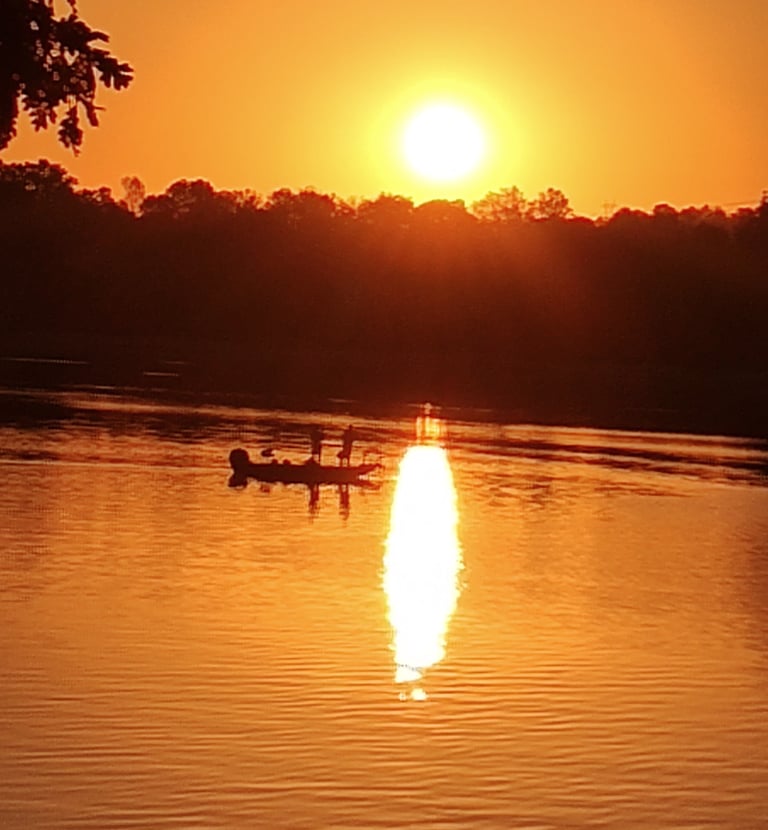
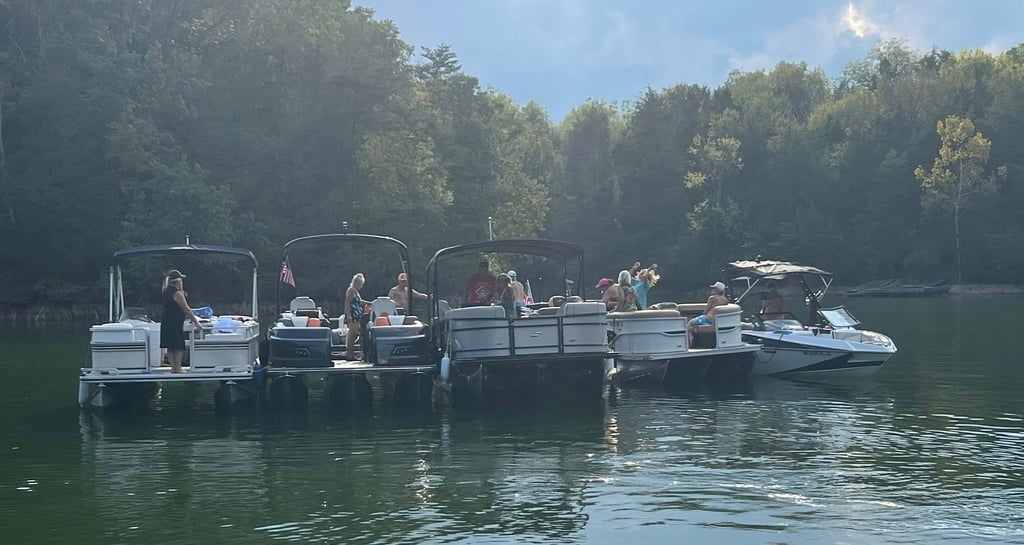
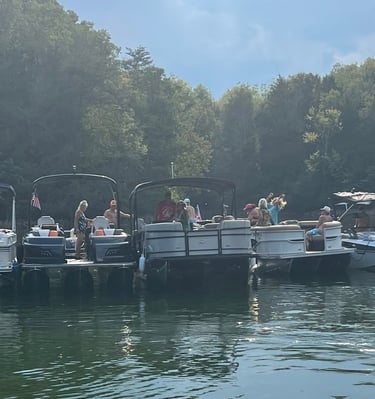
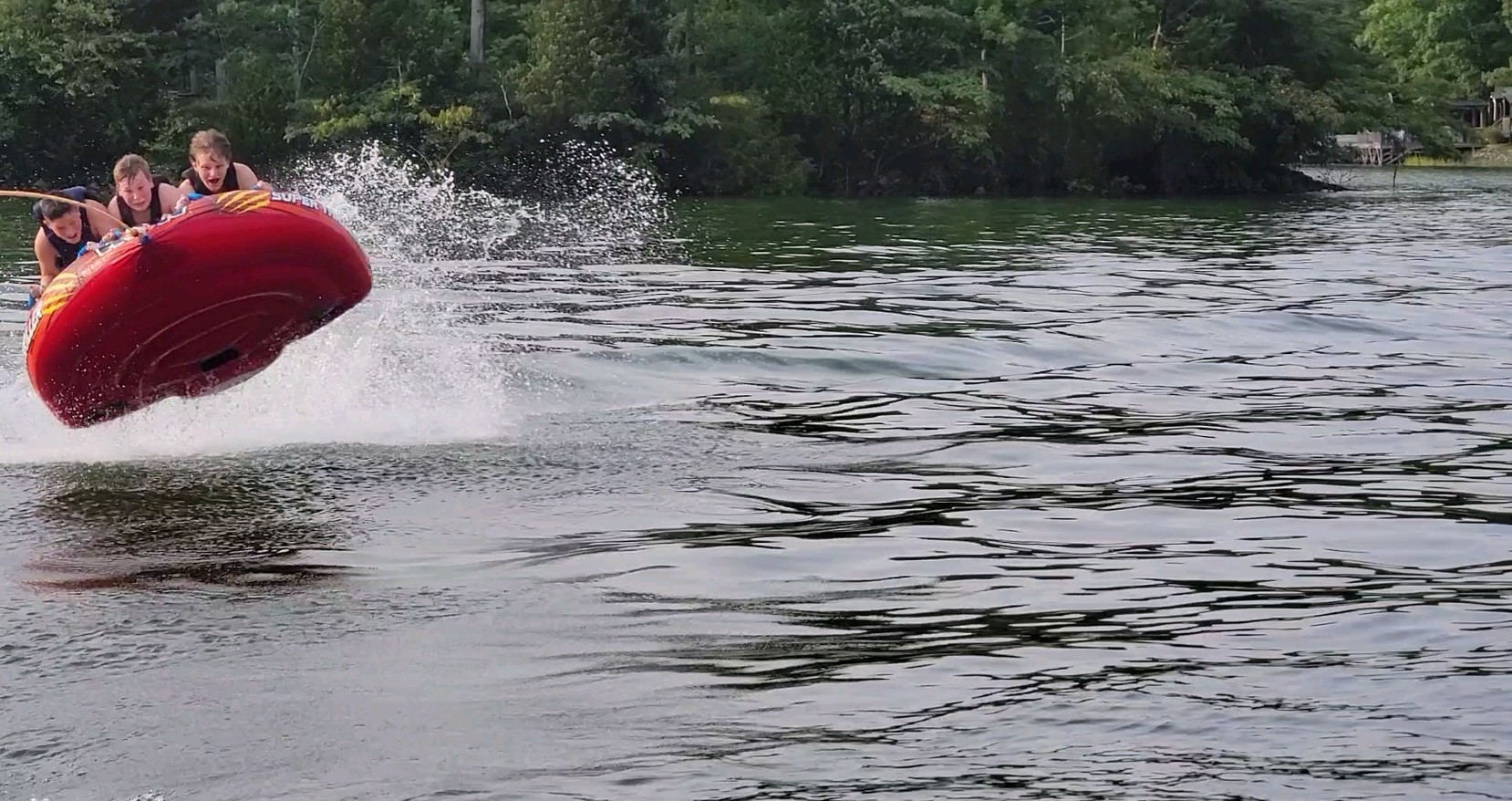
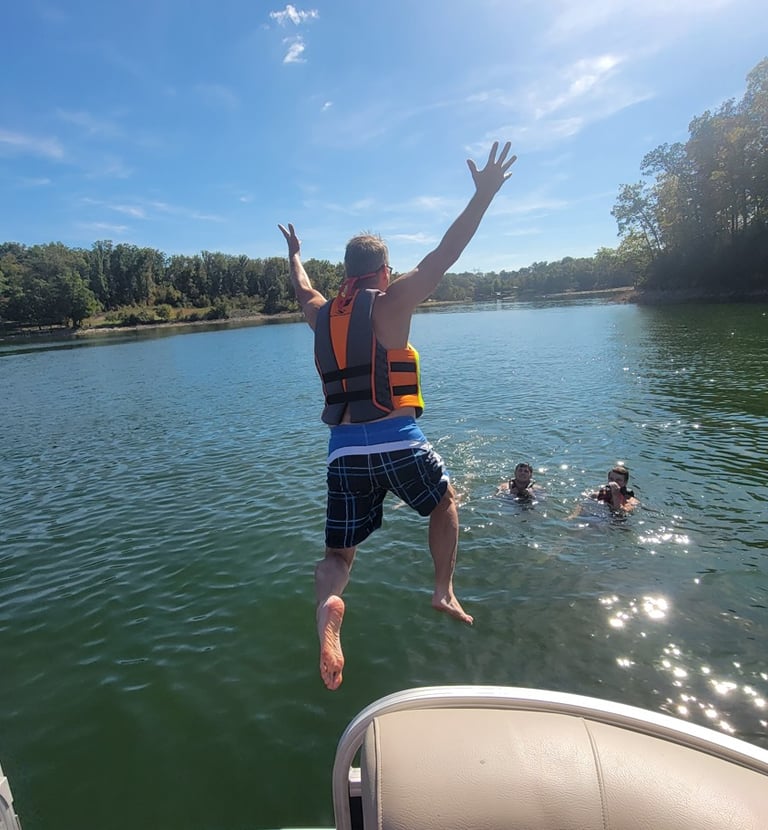
Scenes from East Tennessee's lakes and rivers.

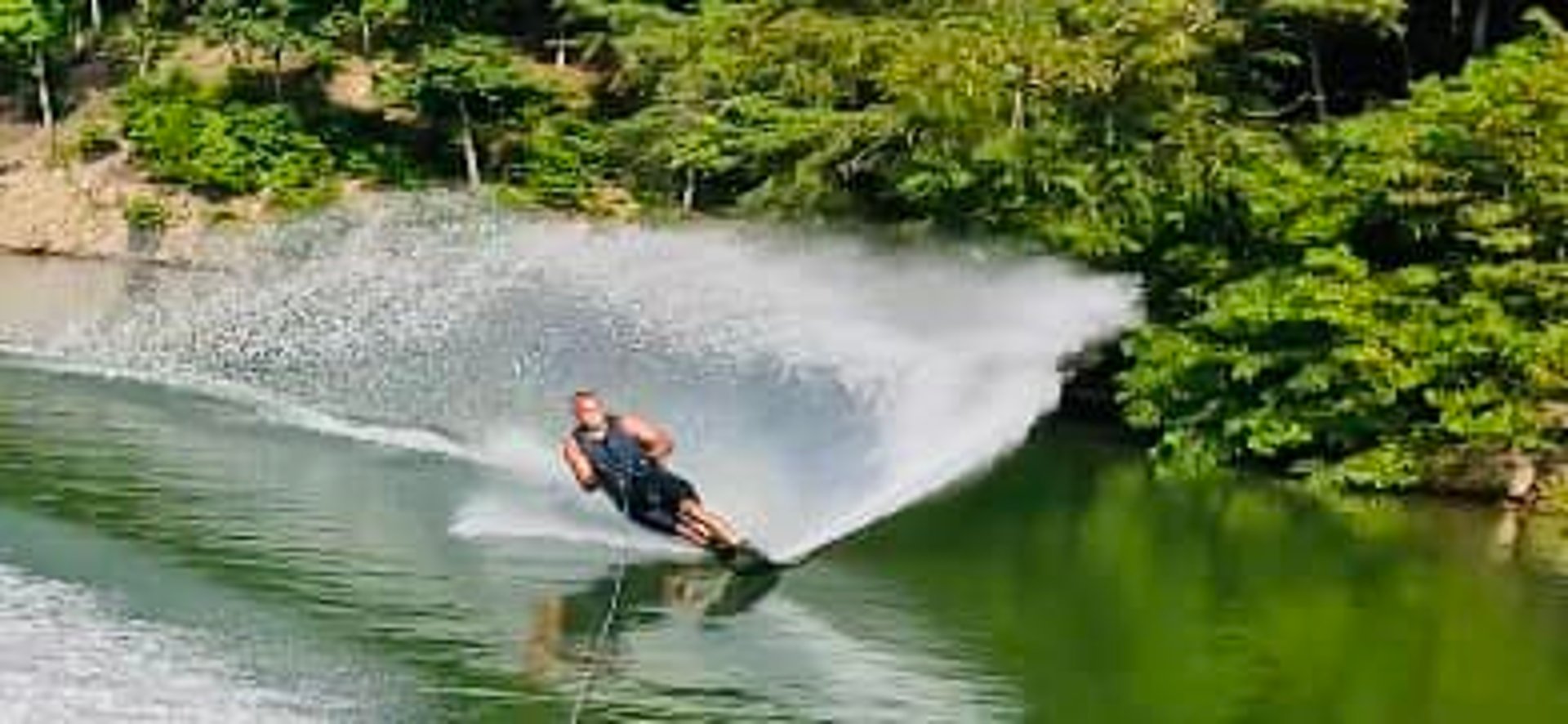
Boating Spots
East Tennessee offers serene lakes and rivers perfect for boating adventures all year round. Here is a map of the area lakes.
South Holston Lake
South Holston Lake is located near the town of Abingdon and the city of Bristol Tn./Va. and is a 7,580-acre impoundment operated by the (TVA). Much of the reservoir is in Tennessee, but the Virginia portion of the reservoir offers anglers more than 1,600 acres of water. South Holston Lake is said to stand out from the rest and is always a favorite amongst boaters. At this time there is a South Holston Reservoir Fishing License that will allow anglers from the two states to fish the entire lake with the purchase of this license.
Boone Lake
Boone Lake is a resevoir in Sullivan and Washington counties in East Tennessee, formed by the impoundment of the South Fork of the Holston River and the Watauga River behind Boone Dam. Boone Reservoir’s 4,400 acres extend along the South Fork Holston River forming two river extensions. According to TVA, “at maximum pool level, one arm of the lake extends about 16 miles up the South Fork Holston River, and the other extends approximately 15 miles up the Watauga River".
Fort Patrick Henry Lake
Fort Patrick Henry Lake is an 872-acre TVA-managed reservoir on the South Fork Holston River near Kingsport, Tennessee, created in 1953 by the Tennessee Valley Authority. Known for excellent fishing (trout, bass, crappie, catfish), it features the Warriors' Path State Park, which offers a marina, swimming pool, boat ramps, trails, and a golf course.
Watauga Lake
Watauga Lake holds the distinction of being the highest reservoir in the Tennessee River system. (1,900 feet above sea level) The reservoir is managed for many uses, including flood damage reduction, power generation, water quality, and aquatic ecology. Surrounded by the Cherokee National Forest and flanked by the Appalachian Mountains, Watauga Reservoir is one of the most scenic in the Tennessee River watershed. It also offers access to the Appalachian Trail. Watauga Dam has a wildlife observation area where visitors have a chance to view unique species of wintering waterfowl, including buffleheads, mallards, American black ducks, gadwalls, ring-necked ducks, lesser scaups and other ducks, including canvasbacks, redheads and scoters.
Cherokee Lake
The reservoir has a surface area of about 28,780 acres, a flood-storage capacity of 749,406 acre-feet , and nearly 400 miles of shoreline. In a normal year, the lake water level fluctuates over a range of about 27 feet.
Douglas Lake
Douglas Dam is on the French Broad River in East Tennessee. The lake extends 43 miles upriver from the dam through the foothills of the Great Smoky Mountains. Douglas Lake is a popular recreation destination known for picnicking, camping, boating, and fishing. Douglas dam and other TVA dams built during World War II made a historical contribution by providing hydropower to drive the war effort. The reservoir remains an integral unit in the overall water control system in the Tennessee Valley. Douglas lake provides 513 miles of shoreline and about 28,420 acres of water surface for recreation activities.
Norris Lake
Norris lake in east Tennessee extends 73 miles up the Clinch River and 56 miles up the Powell from Norris Dam. It was the first dam TVA built and is named for Senator George Norris of Nebraska, author of the legislation that created TVA. Norris lake is a popular tourist and recreation destination. In the 1930s, TVA established demonstration public parks at several locations on Norris Reservoir, including Cove Lake, Big Ridge, and the area around Norris Dam. These parks later became the center of Tennessee's state park system.




“This website and videos may include affiliate links. If you make a purchase, I may earn a commission.”
“As an Amazon Associate, I earn from qualifying purchases.”
Contact
Questions? Reach out anytime!
contact@east10ec.com
© 2025. All rights reserved.





web design by: 1809designs.com
Need Hosting for your own website? https://hostinger.com?REFERRALCODE=QGRNEWMANP2A